Skip to content

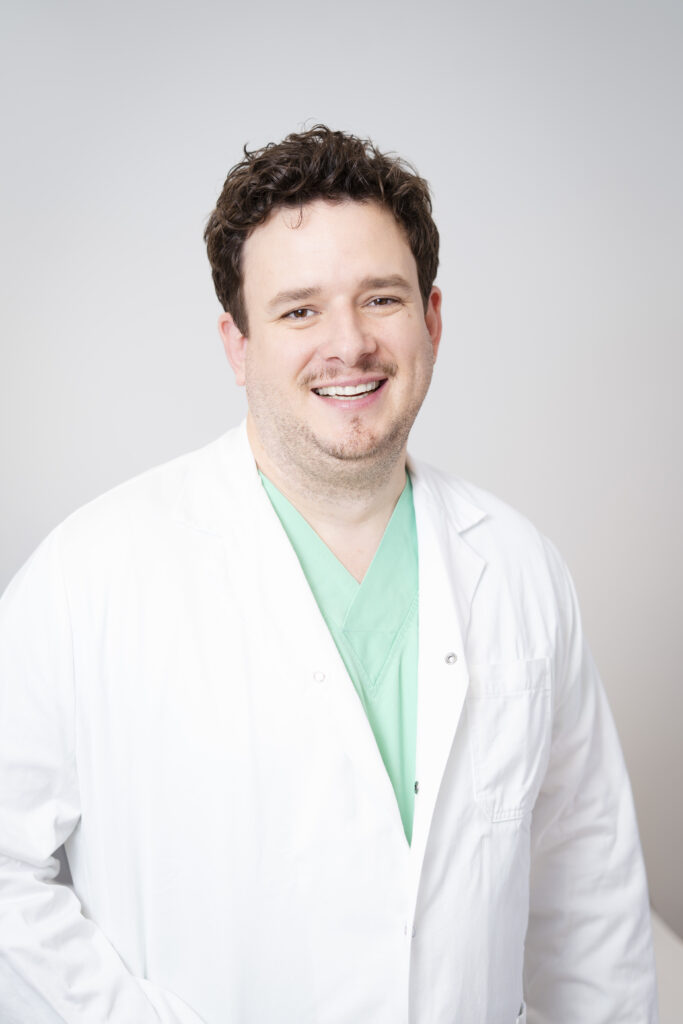
Dr. Andras Döme Dezsi, PhD

Cardiologist in Vienna & Schwechat

Dr. Andras Döme Dezsi

Cardiologist in Vienna & Schwechat

WHEN should you contact me?

A cardiac preventive check-up is advisable from the age of 35 – especially with risk factors such as high blood pressure, diabetes, smoking, or a family history. Prevention should always be a priority.

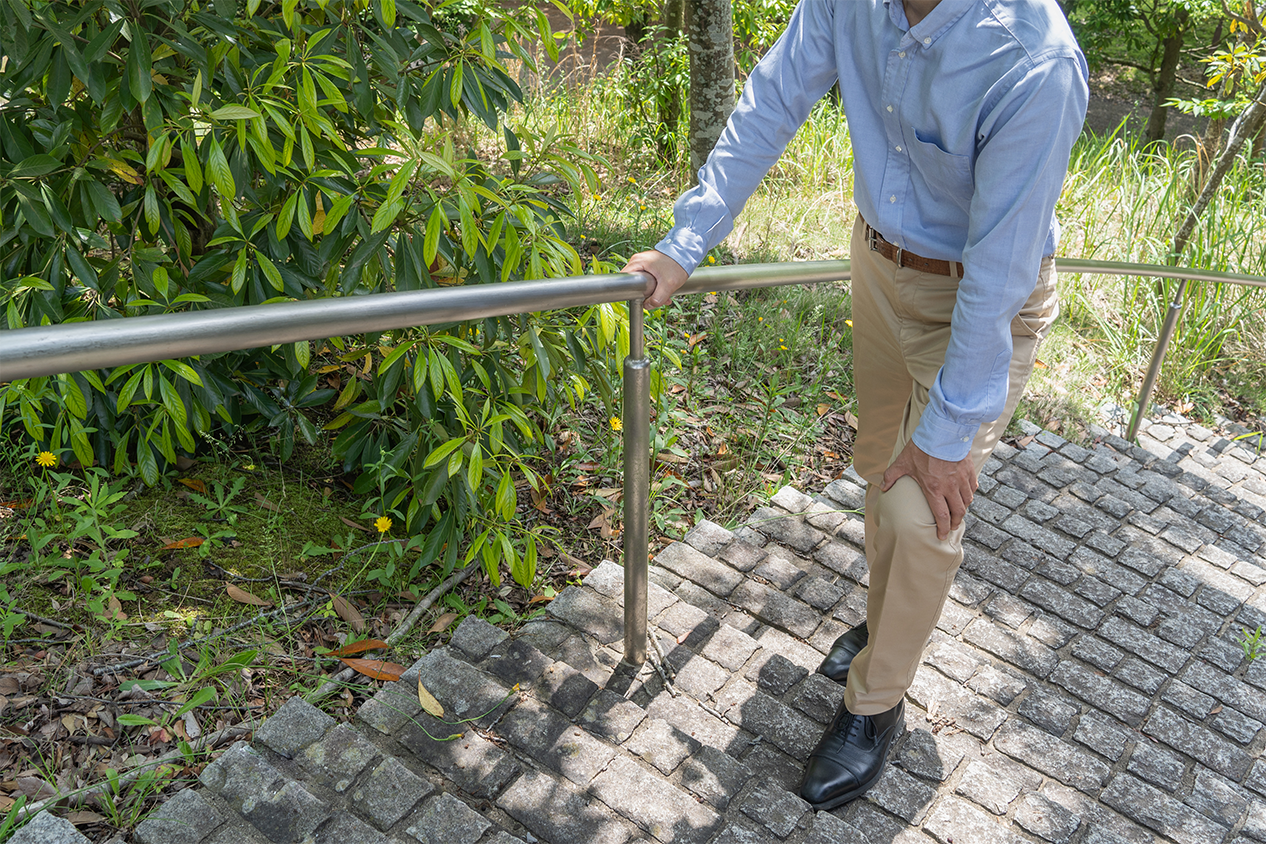
Chest Pain

Chest Pain

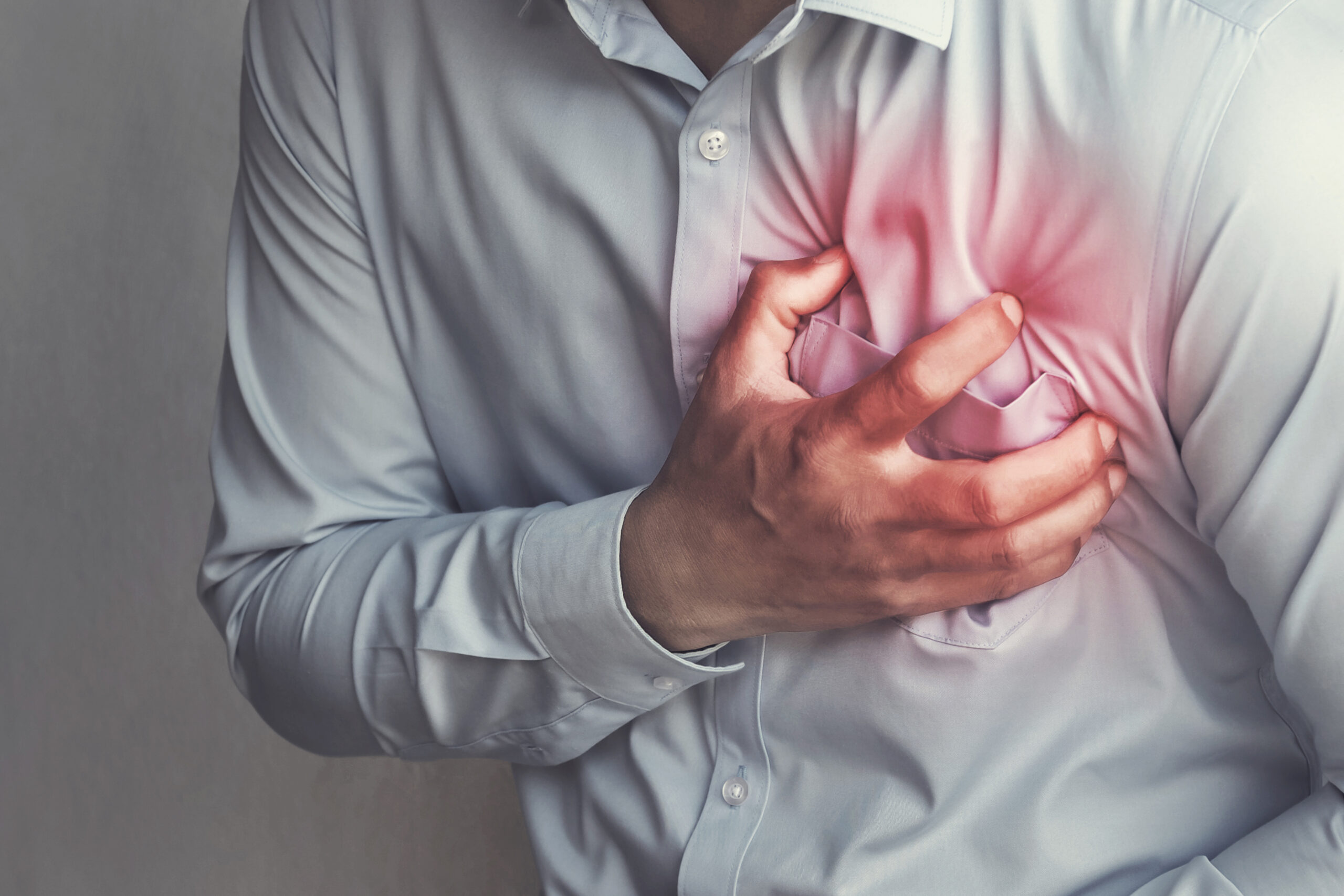
Pressure or pain in the chest can indicate coronary heart disease.

Shortness of Breath

Shortness of Breath

Shortness of breath at rest or during exertion is an important warning sign.

Palpitations

Palpitations / Irregular Heartbeat

A fast or irregular heartbeat – can be harmless, but should always be investigated by a cardiologist.

Dizziness

Dizziness

Often caused by cardiac arrhythmias or circulatory problems.

Loss of Consciousness

Loss of Consciousness

Sudden fainting requires immediate investigation.

Reduced Physical Capacity

Reduced Physical Capacity

Reduced endurance can be a sign of heart failure.

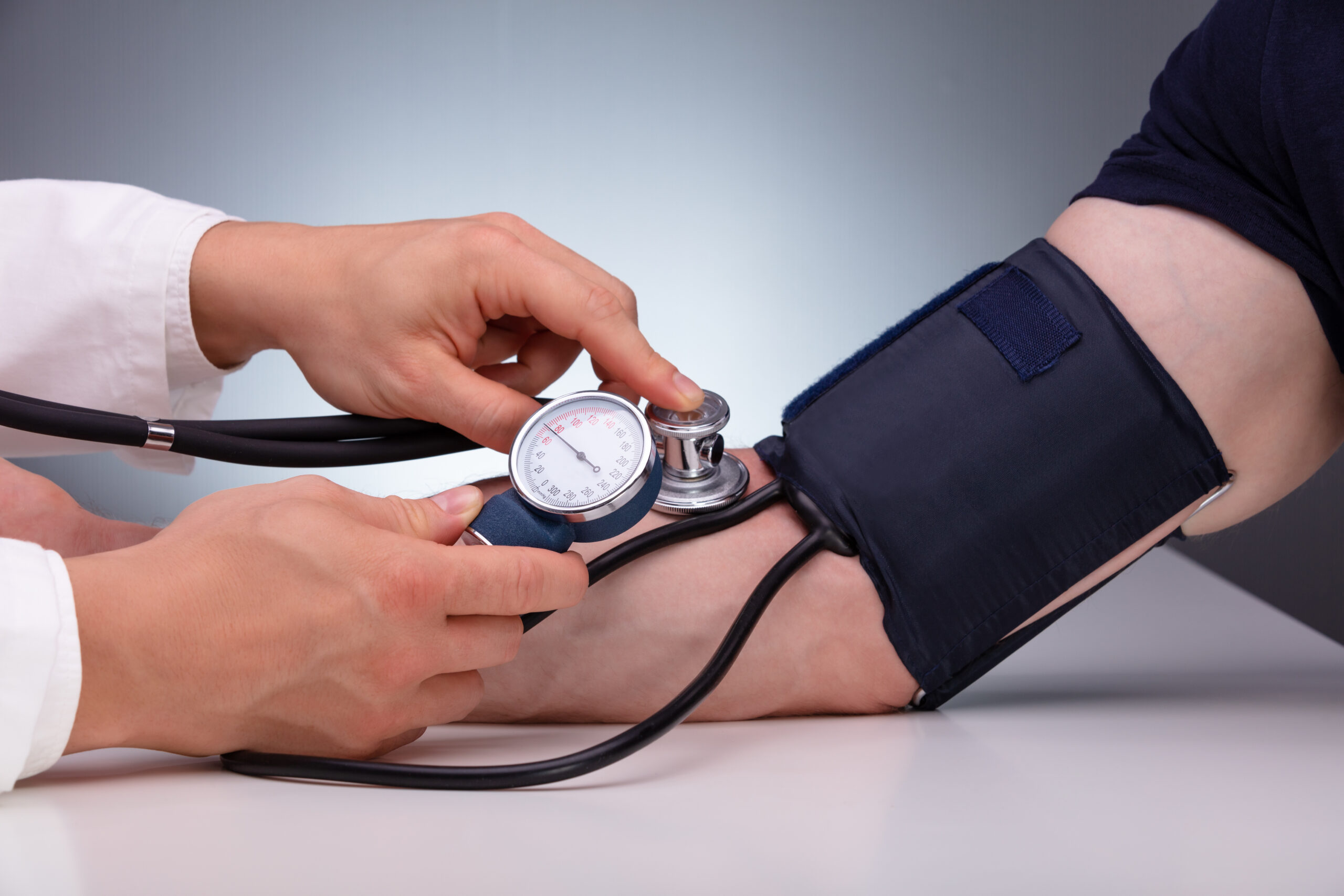
Blood Pressure Dysregulation

Blood Pressure Dysregulation

Reduced endurance can be a sign of heart failure.

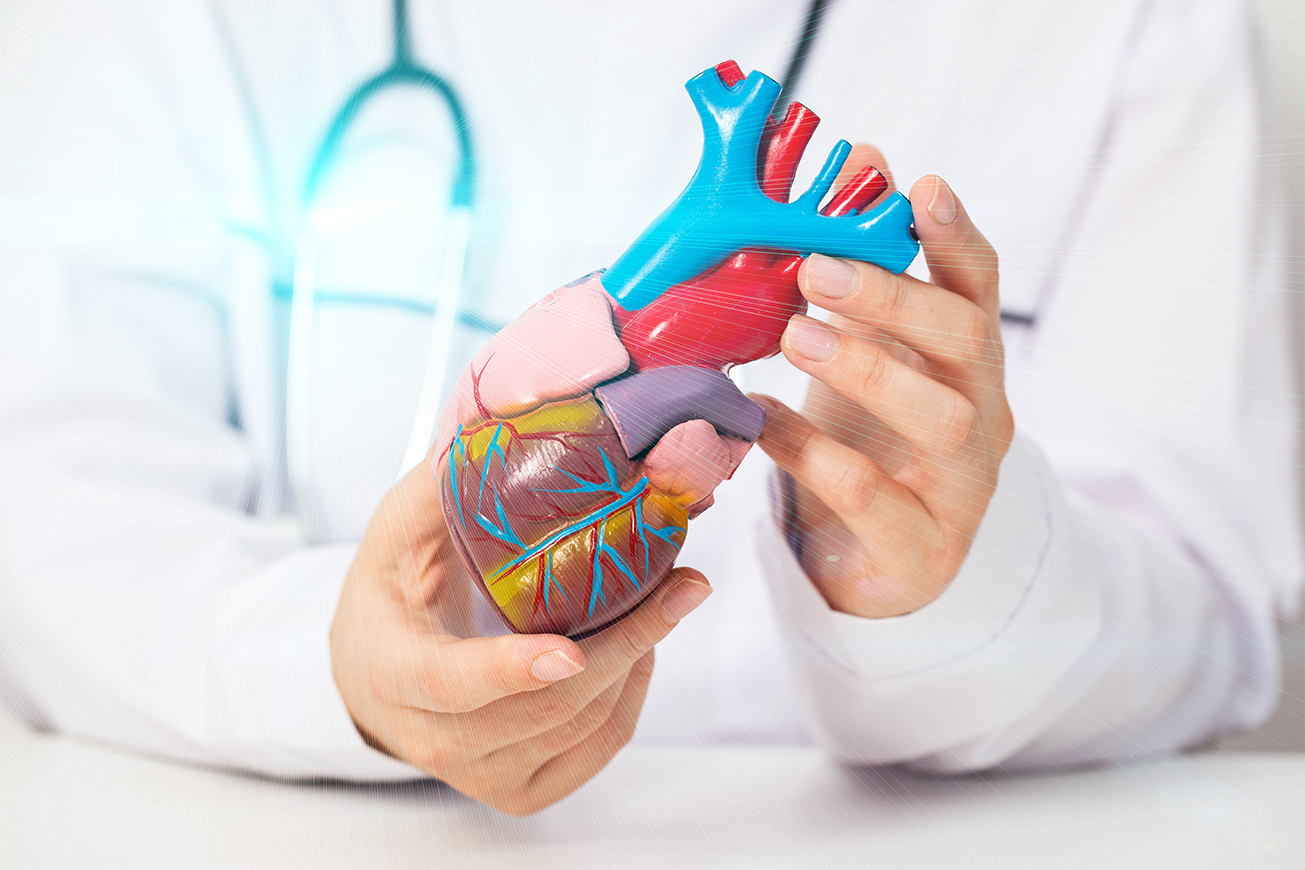
Heart Failure

Heart Failure

Long-term care and regular monitoring for therapy adjustment.

Leg Swelling

Leg Swelling

Often an indication of heart failure or circulatory problems, it should be investigated by a cardiologist.

Prevention

Prevention

Preventive examinations and advice on heart health.

Risk Assessment

Risk Assessment

Individual assessment of cardiovascular risk for procedures or preventive care.

Pre-operative Clearance

Pre-operative Clearance

Cardiological examination and written clearance before planned operations.

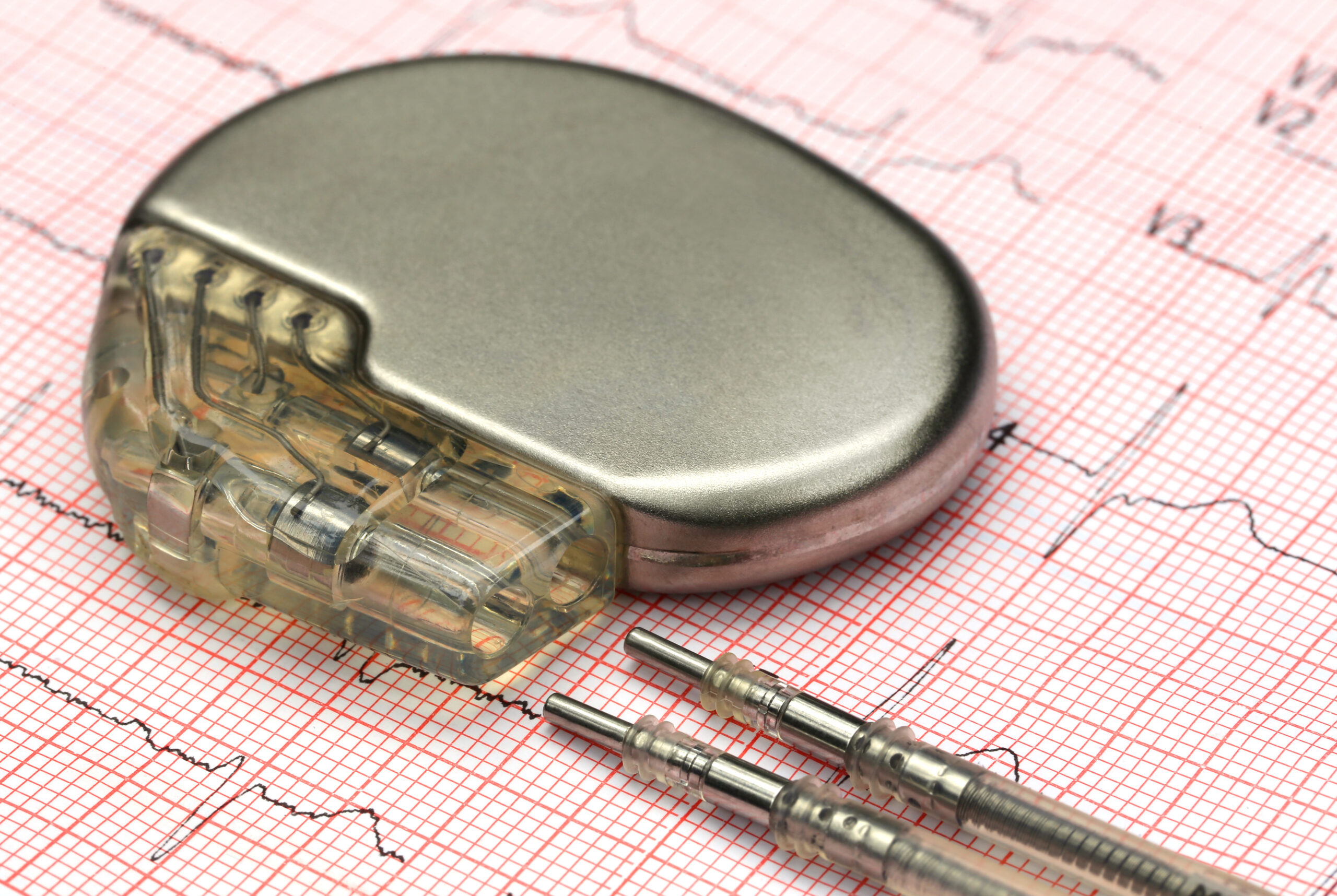
Pacemaker

Pacemaker

Consultation, regular follow-up, and implantation of pacemakers and CRT systems.

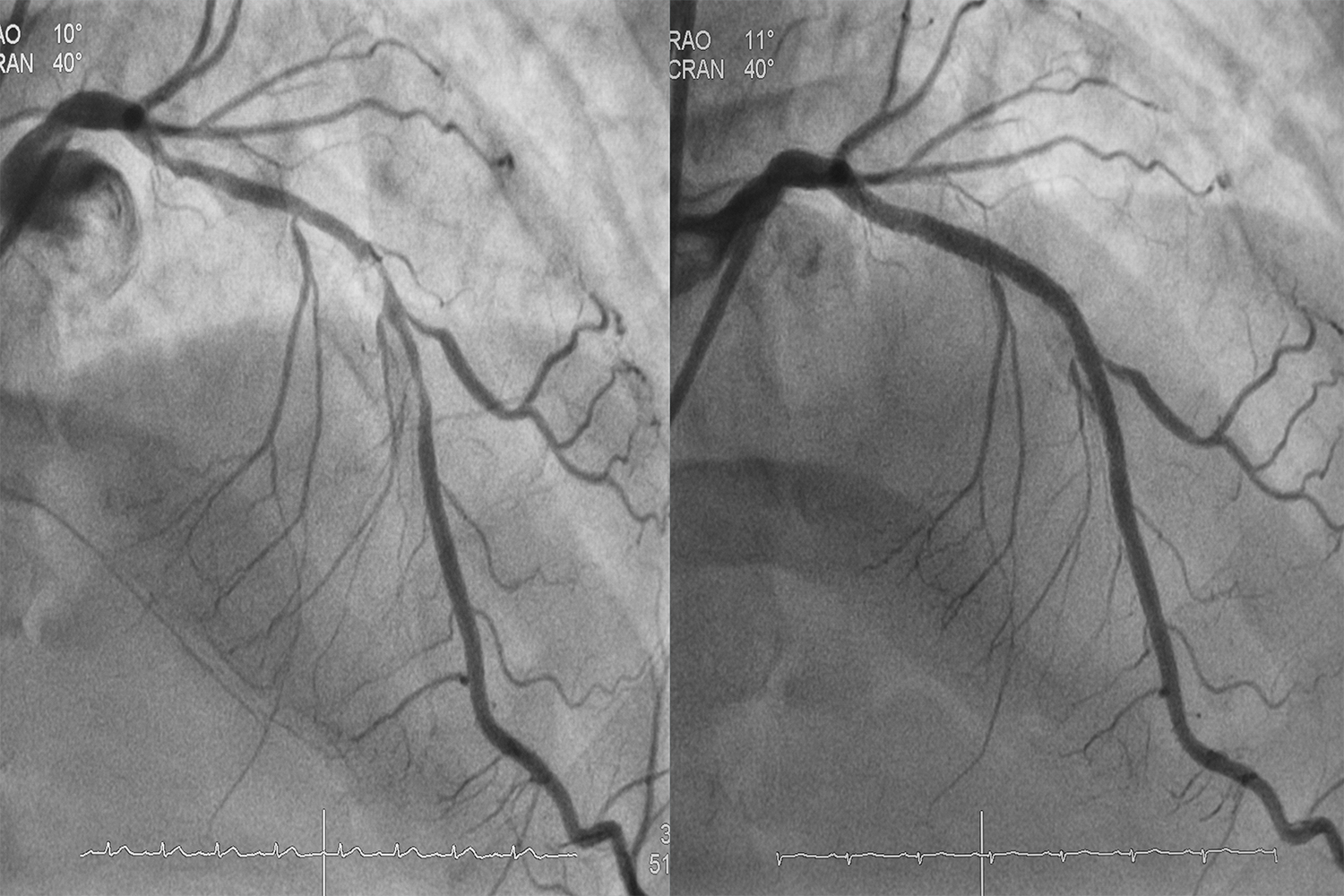
Cardiac Catheterization

Cardiac Catheterization

Investigation and treatment of coronary artery circulatory disorders using the latest methods.

HOW can I help you?

I help you gain clarity amidst the complexities of diseases, medications, examinations, and diagnoses. Together, we will find answers to important questions:

My goal: improved quality of life, peace of mind, and a healthy heart.

What examinations can I undergo?

A simple but important tool for the early detection of cardiac arrhythmias and other heart conditions.
For symptoms such as fainting, dizziness, or palpitations, a 24-hour ECG helps detect hidden arrhythmias.
For the reliable diagnosis of high blood pressure – not just a single reading, but a daily profile for better assessment.
TEE (Transesophageal Echocardiography)
If needed: high-resolution cardiac ultrasound via the esophagus – under light sedation.
A painless procedure for assessing heart valves, heart chambers, and pumping function. Important for diagnosing heart failure (cardiac insufficiency).
Carotid Artery Ultrasound
For assessing stroke risk due to plaques in the carotid arteries.
Individual risk assessment and all necessary cardiac examinations before planned operations.
Here we examine heart function under physical exertion. This reveals problems that may remain hidden at rest.
Regular monitoring and adjustment of implanted devices – including telemonitoring consultation.
In cases of a slow heart rate or pauses, a pacemaker maintains a stable rhythm. Depending on the model, it may also have a defibrillator (ICD) or heart-strengthening (CRT) function.
Through the artery in the wrist, the coronary arteries are visualized, and narrowings are immediately treated with stents if necessary.
A simple but important tool for the early detection of cardiac arrhythmias and other heart conditions.
For symptoms such as fainting, dizziness, or palpitations, a 24-hour ECG helps detect hidden arrhythmias.
For the reliable diagnosis of high blood pressure – not just a single reading, but a daily profile for better assessment.
TEE (Transesophageal Echocardiography)
If needed: high-resolution cardiac ultrasound via the esophagus – under light sedation.
A painless procedure for assessing heart valves, heart chambers, and pumping function. Important for diagnosing heart failure (cardiac insufficiency).
Carotid Artery Ultrasound
For assessing stroke risk due to plaques in the carotid arteries.
Individual risk assessment and all necessary cardiac examinations before planned operations.
Here we examine heart function under physical exertion. This reveals problems that may remain hidden at rest.
Regular monitoring and adjustment of implanted devices – including telemonitoring consultation.
In cases of a slow heart rate or pauses, a pacemaker maintains a stable rhythm. Depending on the model, it may also have a defibrillator (ICD) or heart-strengthening (CRT) function.
Through the artery in the wrist, the coronary arteries are visualized, and narrowings are immediately treated with stents if necessary.

FAQ

Do I Need a Referral?

No. You can book an appointment directly.

In parking garage 4 at Vienna Airport, just a few minutes to the practice.

Your parking ticket will be validated by us.

Why can I help you?

About Me

I am a specialist physician from a fourth-generation medical family – active in cardiology since 2010 with dedication and expertise.

Since my first days of work, I have been involved with pacemakers and cardiac ultrasound. Since the age of 26, I have regularly performed cardiac catheterizations – now with experience from several thousand procedures.

Symptoms

Palpitations

Irregular pulse or skipped beats that many people experience – sometimes harmless, sometimes requiring treatment.